
← Back to journal
Disaster Relief
5 Ways to Support Disaster-Affected Communities in the U.S. and Abroad
March 12, 20256 min read
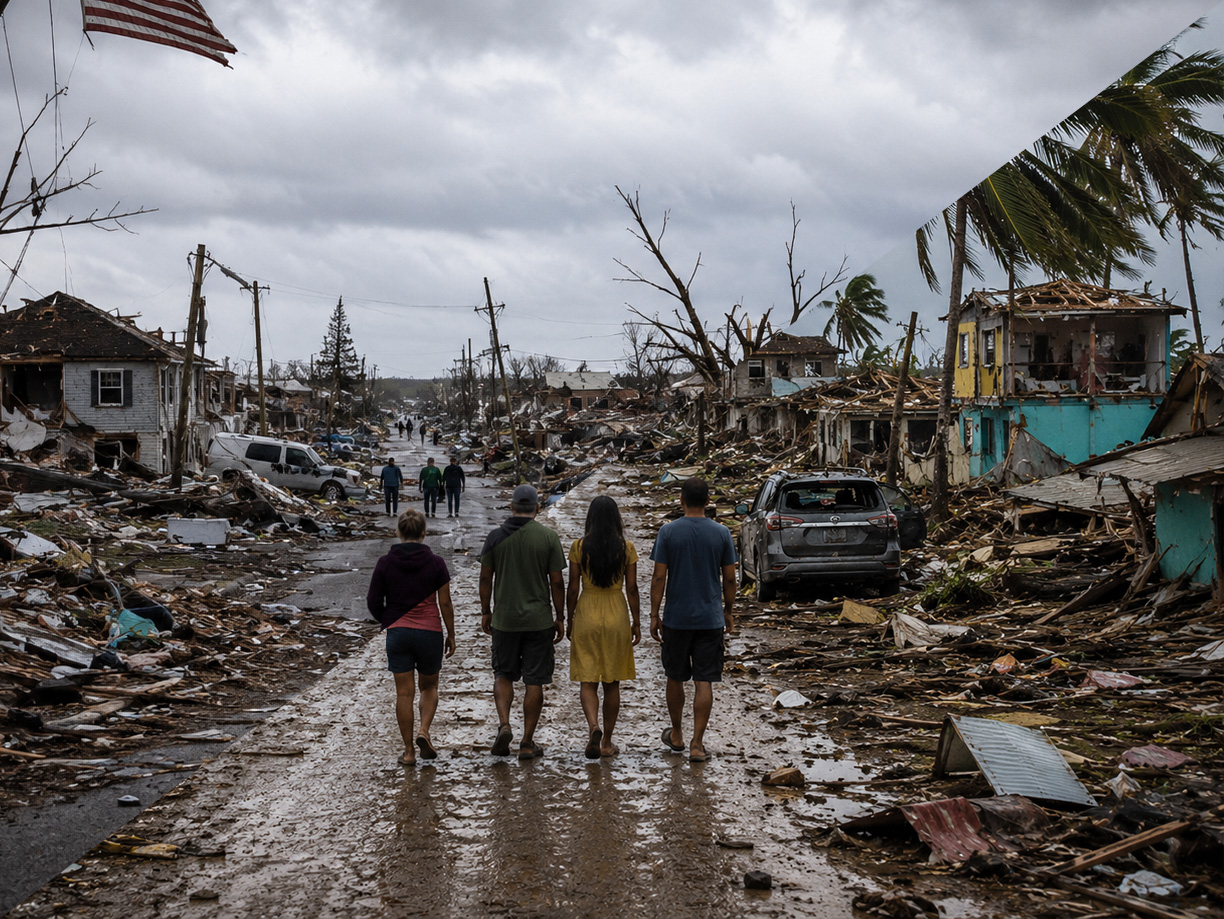
When disaster strikes — a hurricane along the Gulf Coast, an earthquake overseas, a wildfire that empties a town in a single afternoon — most of us feel the same thing at once: an urgent, quiet ache to help, tangled with the question of how.
The good news is that meaningful help doesn't require special training or a plane ticket. It just requires showing up in ways that actually match what affected communities are asking for. Here are five of them.
1. Give cash to trusted local organizations. In the first days after a disaster, cash is faster, more flexible, and more dignified than donated goods. It lets local responders buy what's actually needed — often from local businesses that also need the income.
2. Wait before sending physical donations. Well-meaning shipments of clothing and canned goods can clog supply chains and cost responders hours they don't have. If you want to give things, wait for a specific ask from an organization on the ground.
3. Volunteer, but plan for the long haul. The first week draws crowds. The next twelve months don't. Communities need volunteers for rebuilding, case management, tutoring displaced kids, and staffing follow-up drives long after the news cameras leave.
4. Share verified information. Misinformation travels faster than aid. Amplify vetted updates from responding agencies, and gently correct rumors when you see them.
5. Advocate for preparedness at home. The best time to help a community is before a disaster. Push your city, school, and workplace for real emergency plans, and make one for your own household while you're at it.
None of these five is glamorous. All of them work. If you'd like to plug into what Anaya's Way is doing after the next disaster, our Get Involved page is the fastest way in.